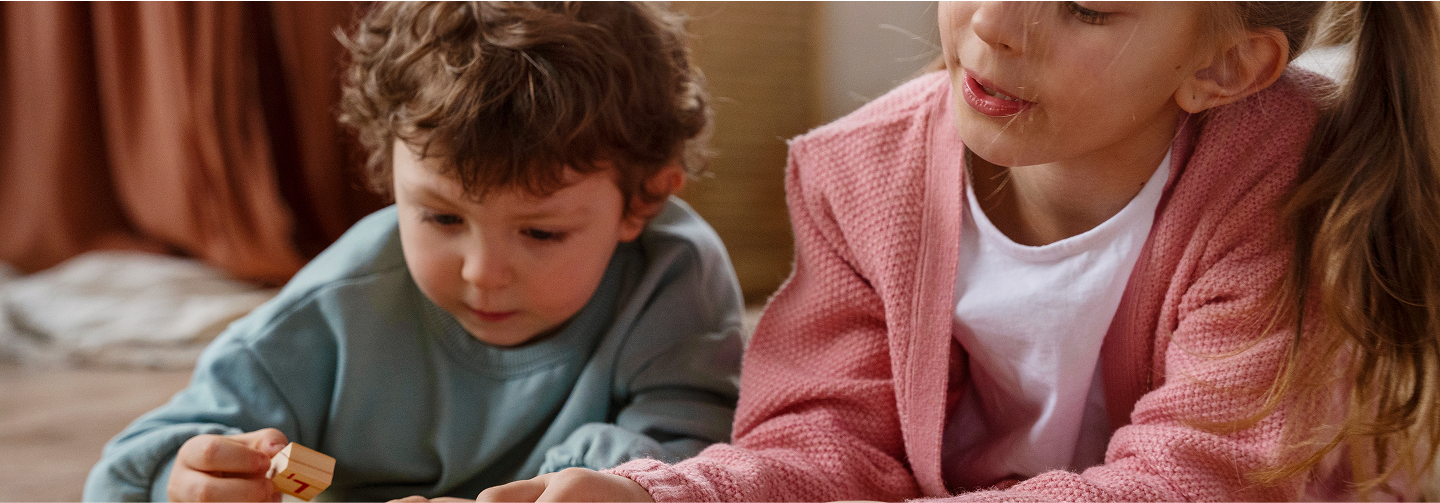
ABA Therapy for Kids: How It Helps Children Learn and Grow
ABA therapy for kids: see how it helps children learn and grow through play, routines, and caring support. SpringUp ABA: 855-403-1900.




Key Points:
- ABA therapy teaches children new skills through play, routines, and positive encouragement.
- Programs change as a child grows, from early communication to school readiness and independence.
- Families help most when they share what they see, practice skills at home, and ask questions.
Children learn best when they feel safe, curious, and successful. For a child who finds communication, routines, or social play difficult, that kind of learning may need extra support. ABA therapy offers a structured and caring way to provide it.
Many parents search for children's ABA therapy when they want gentle, effective support. This guide explains how ABA therapy for kids works, what sessions look like at different ages, and how families can help. It also shares practical tips for choosing a provider who fits your child.
What Is ABA Therapy for Kids?
If you are asking what ABA therapy for kids is, here is a clear answer. ABA stands for applied behavior analysis. It is a teaching method that uses research on learning to help children build skills that matter in daily life.
A Board Certified Behavior Analyst, or BCBA, meets your family, observes your child, and writes a plan. Trained therapists then teach each goal in small steps with lots of encouragement. The team tracks data so everyone can see how your child is doing.
How ABA Therapy for Children Supports Growth
Strong ABA therapy for children does more than teach one skill at a time. It helps children build confidence. When a child learns to ask for a snack, join a game, or handle a change in plans, daily life gets easier and more joyful.
Common goals include:
- Communication, such as words, signs, pictures, or devices
- Play skills, including turn-taking and sharing
- Self-care, such as dressing, eating, and toileting
- Following routines and directions
- Handling transitions and big feelings
- School readiness, like sitting for a group activity
ABA Therapy for Autistic Children and Beyond
Many families first learn about ABA after an autism diagnosis, so ABA therapy for autistic children is a common focus. Autistic children are diverse. Some speak fluently and struggle with social rules, while others communicate in different ways and need help with daily routines.
Because every child is different, a quality plan starts with strengths and interests. A child who loves trains may practice counting with toy trains. A child who loves music may learn turn-taking through a song.
ABA Therapy for Children With Autism: Ages and Stages
Each stage of childhood brings a different focus to ABA therapy for children with autism.
Toddlers and preschoolers. Sessions rely heavily on play. Therapists build early skills like imitation, pointing, requesting, and responding to a name. SpringUp ABA offers Early Intervention ABA focused on communication, play, and independence.
Early elementary years. Goals often shift toward group learning, friendships, and school routines. Many families also ask about School Readiness and Social Skills support to help children prepare for classrooms.
Older children and pre-teens. Plans may focus on independence, emotional regulation, and social understanding. Therapists may practice in community settings, such as stores or parks.
Pediatric ABA Therapy: What Makes It Different
The pediatric ABA therapy approach focuses on the needs of growing children. That means short, engaging activities for young learners, frequent breaks, and plenty of movement and play. Therapists adapt their language, materials, and expectations to each child's age and stamina.
It also means involving families. Parents and siblings are part of a child's world, so strong programs include them in training and goal setting.
What a Typical Session Looks Like
Every session is different, but many share a rhythm.
1. Warm-up. The therapist greets your child and starts with a favorite activity to build trust.
2. Teaching. The therapist works on goals through structured practice and play.
3. Breaks. Short pauses help your child stay regulated.
4. Data collection. The therapist records how your child responds.
5. Wrap-up. The therapist shares quick notes with a caregiver.
A good therapist reads your child's mood and adjusts. If a child feels overwhelmed, the therapist slows down and offers support.
Child ABA Therapy at Home and in the Community
Families can find child ABA therapy in many settings. Home-based therapy lets a child practice skills in familiar spaces, like the kitchen or living room. Community-based practice helps children use skills at parks, stores, and school. Ask providers which settings they offer and how they decide what fits your child.
SpringUp ABA serves families in New York. You can see where services are available on the SpringUp ABA website.
Celebrating Progress Along the Way
Progress in ABA often arrives in small, joyful moments. A child makes eye contact for the first time during a game. A child asks for help instead of crying. A child waits patiently for a turn. Each of these moments reflects weeks of practice.
Ask your team to share these wins, not only the data. When you celebrate with your child, you reinforce their effort and strengthen your bond. Keep a simple notebook or phone note of milestones so you can look back and see how far your child has come.
Why Parents Matter So Much
Children spend most of their time with their families, so parents are the most important teachers. SpringUp ABA offers parent coaching to help caregivers reinforce progress outside of sessions.
Try these simple ideas at home:
- Ask your BCBA which skills to practice
- Use the same words and cues as the therapy team
- Practice during meals, baths, and bedtime
- Praise effort and success right away
- Give your child a moment to respond before helping
- Share what works and what does not
Making Therapy Feel Safe and Fun
Children learn best when they feel safe. Look for a provider whose therapists play, laugh, and follow your child's lead. Quality teams also teach children how to ask for a break and respond respectfully when a child says no or shows distress.
Tell the team if your child seems unhappy. Your observations help them adjust.
Signs Your Child May Benefit From an Evaluation
Consider talking with your pediatrician if your child:
- Rarely responds to their name or makes limited eye contact
- Has delayed speech or loses skills they once had
- Repeats words, phrases, or movements often
- Has strong reactions to sounds, textures, or changes in routine
- Struggles to play with other children
These signs do not confirm a diagnosis. They simply suggest a conversation with a professional.
How to Choose a Provider
Compare providers by asking:
- Who leads and supervises my child's plan?
- How do you make sessions fun and motivating?
- How will I receive updates on progress?
- How do you involve parents and siblings?
- How do you handle challenging moments with kindness?
- What is your timeline from first call to first session?
Frequently Asked Questions
1. At what age can a child start ABA therapy?
Many children start in early childhood, but ABA can help learners of many ages. Ask a provider about your child's needs.
2. How many hours will my child need?
A BCBA recommends hours after an assessment. Plans may change as your child grows.
3. Will my child still have time to play?
Yes. Play is a major part of ABA for young children, and families can ask providers to build in free time and breaks.
4. Can siblings take part?
Many providers welcome siblings in appropriate ways. Ask how your team involves them.
Help Your Child Learn and Grow
Every child has strengths worth building. To talk with SpringUp ABA about your child, call 855-403-1900 or visit our contact page to schedule a consultation.
Related Articles
ABA Therapy for Kids: How It Helps Children Learn and Grow
ABA therapy for kids: see how it helps children learn and grow through play, routines, and caring support. SpringUp ABA: 855-403-1900.
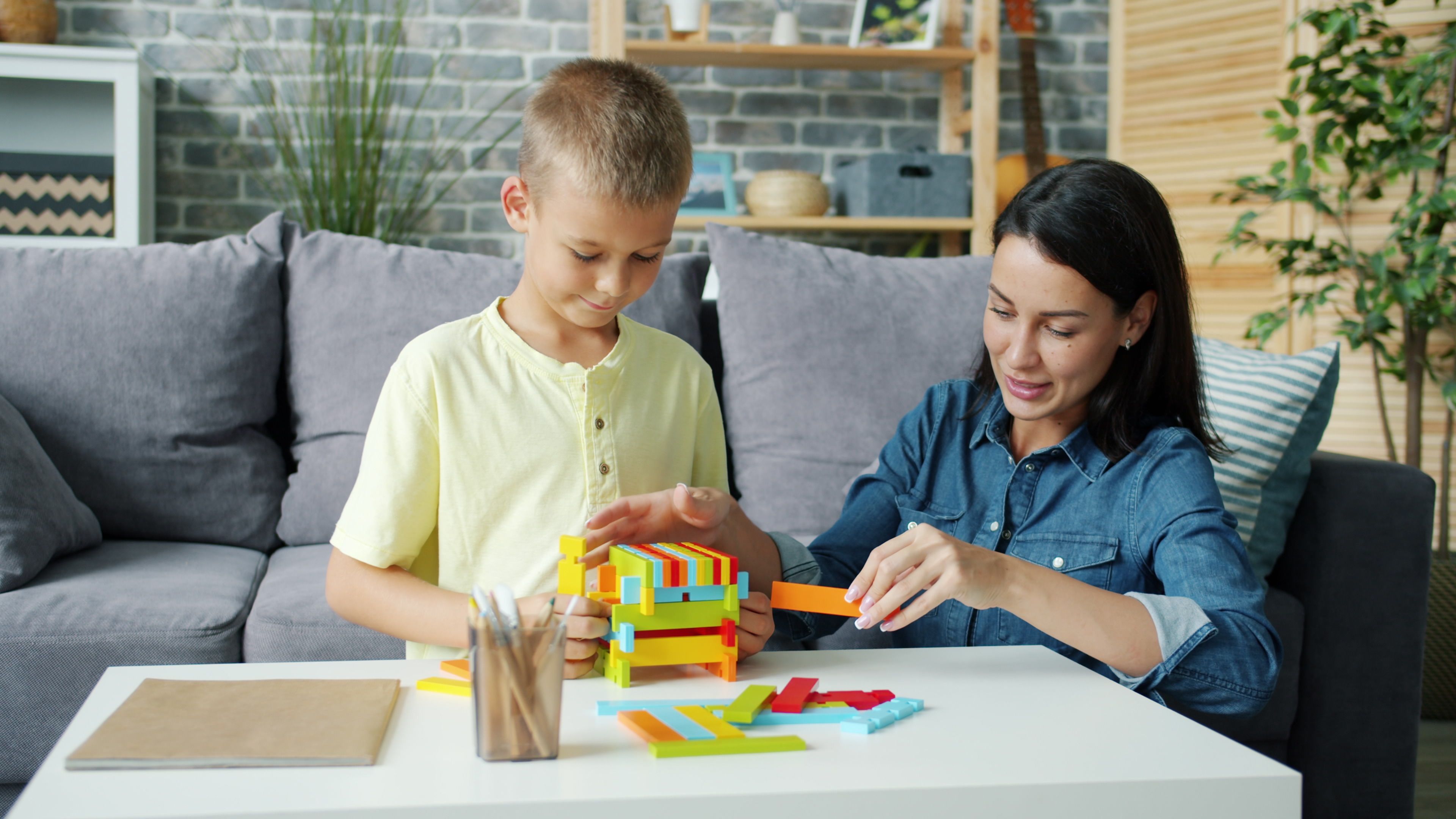
ABA Therapy for Autism: What Every Parent Should Know
ABA therapy for autism: what every parent should know about goals, settings, hours, and getting started. SpringUp ABA: 855-403-1900.
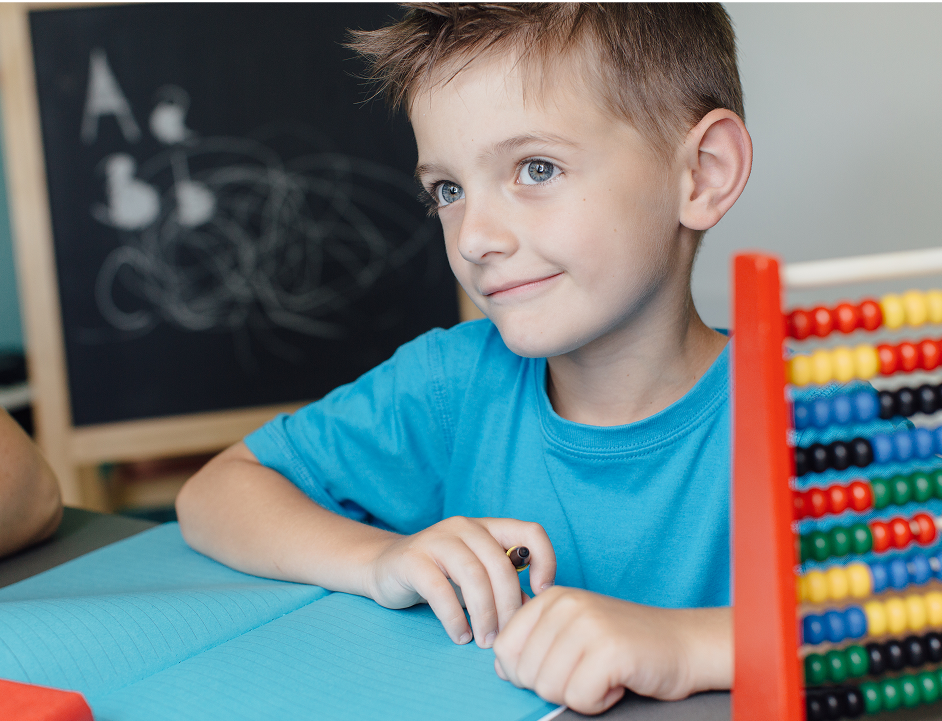
What is ABA Therapy?
ABA explained in simple terms — how it works, who it helps, and why families choose it.

Building Social Skills Through Play
Learn how structured play and ABA strategies help children connect, share, and make friends.

Preparing Your Child's First ABA Session
Practical tips to make the first day smooth and comfortable for both you and your child.
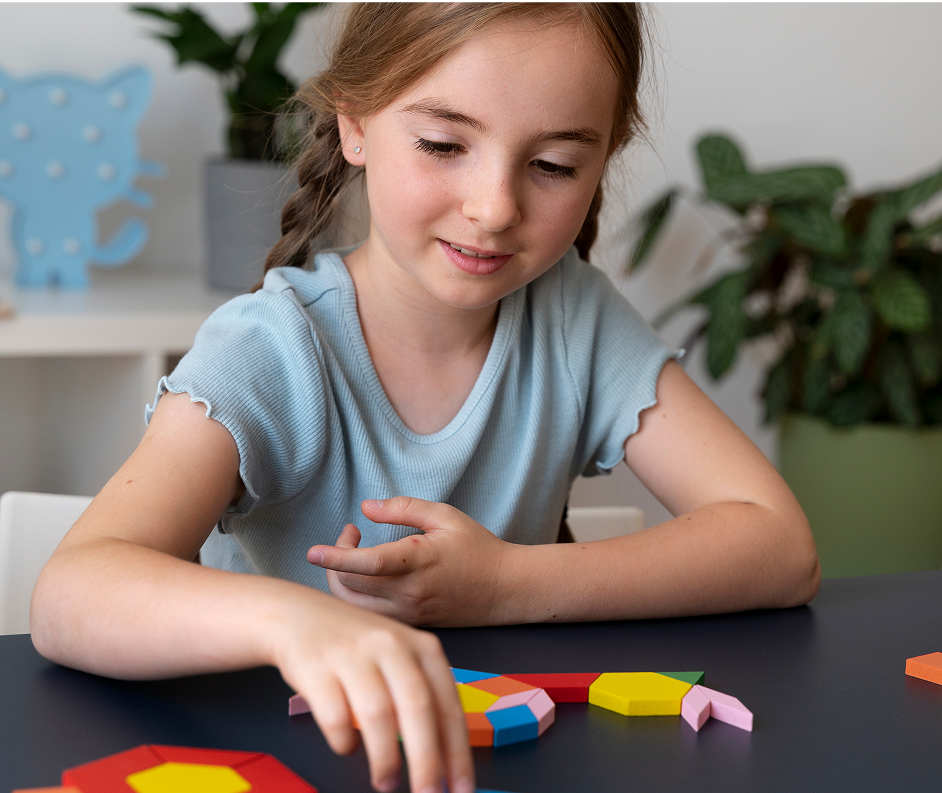
How Parent Coaching Boost Progress
Why ABA works best when families are involved — and how small changes at home make a big impact.
Your journey starts here
Apply now and become part of a team that cares, grows, and changes lives.